Fibreglass Flat Roofing York
Get a hard-wearing GRP roof laminated on site from Cure It resin and glass matting, with a free survey and a written, no-obligation quote first.
Get a FREE Quote
Fill in the form and we'll get back to you shortly.
- Qualified Roofers
- Free Surveys & Quotes
- All Work Guaranteed
- No Call-Out Charges
Why Use GRP Fibreglass Roofing?
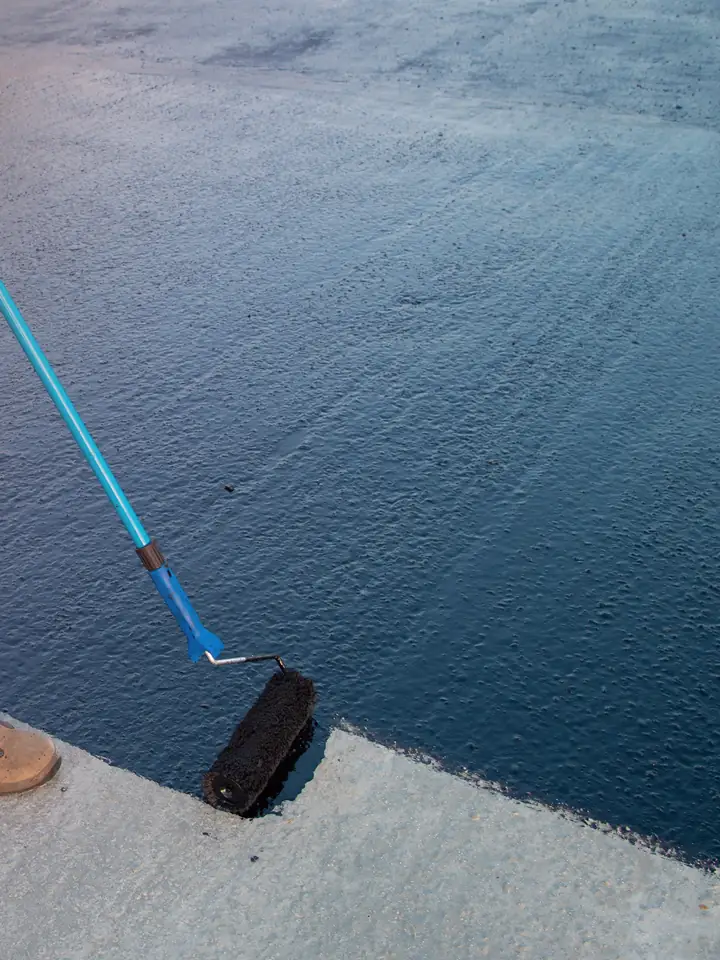
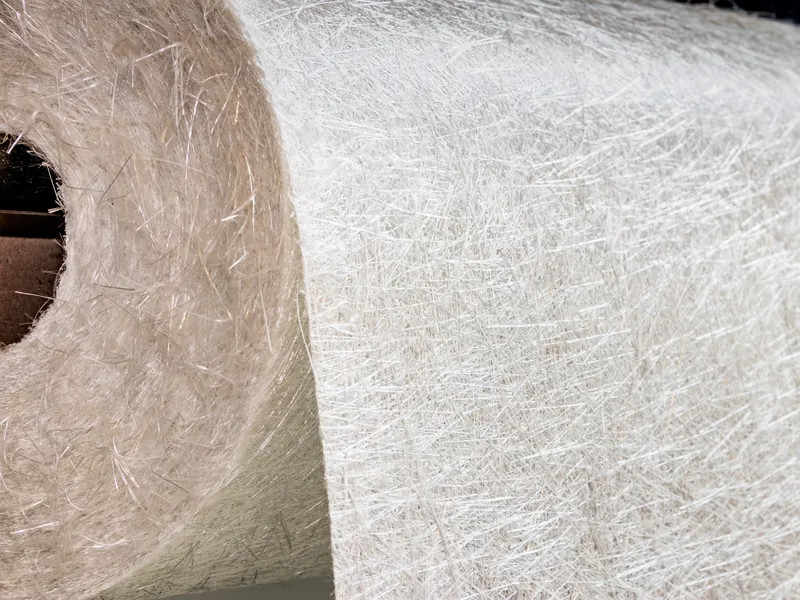
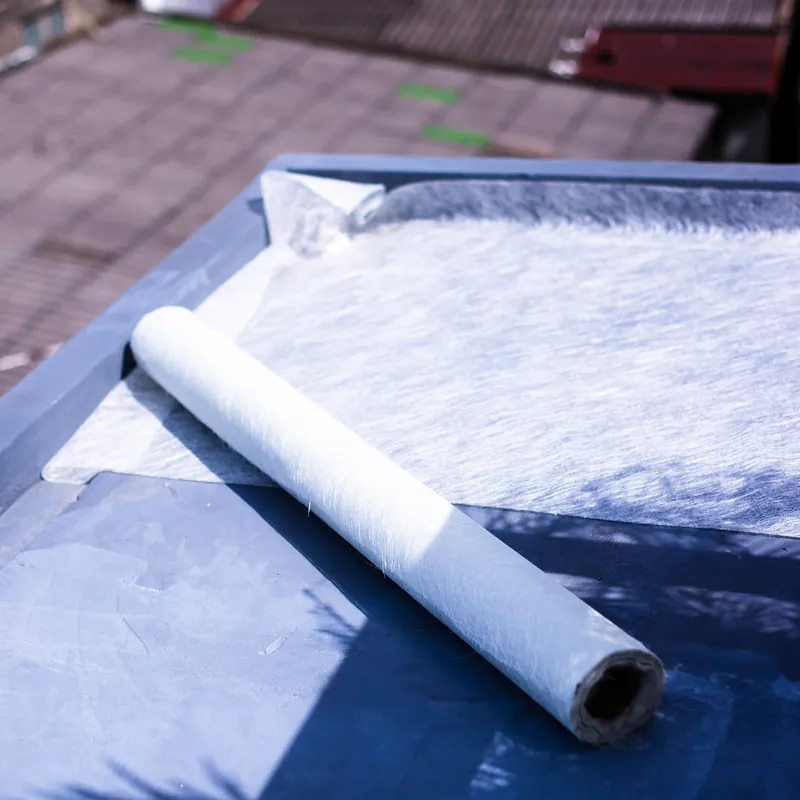
GRP stands for glass reinforced plastic. On the roof, glass fibre matting is wetted out with polyester resin over a timber deck, then sealed with a coloured topcoat. Once cured it forms one rigid sheet with no joints. We lay GRP roofs for homes and commercial buildings across York, Leeds, Huddersfield and Hull.
The appeal is a tough, clean finish. A GRP roof takes foot traffic better than felt or rubber, the edge trims are made of the same material, and the topcoat comes in different colours. That makes it a common choice for balconies, dormers and roofs that are seen from upstairs windows.
GRP has its own demands. The resin needs dry weather and suitable temperatures to cure, and the laminate is rigid, so the deck beneath must be sound and stable or movement can crack it. Our flat roofing page sets GRP beside the other coverings if you are still deciding.
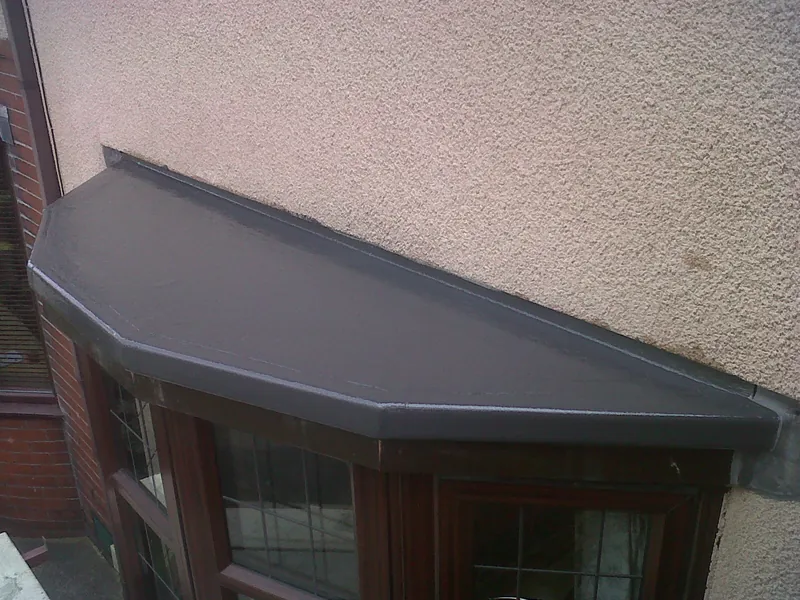
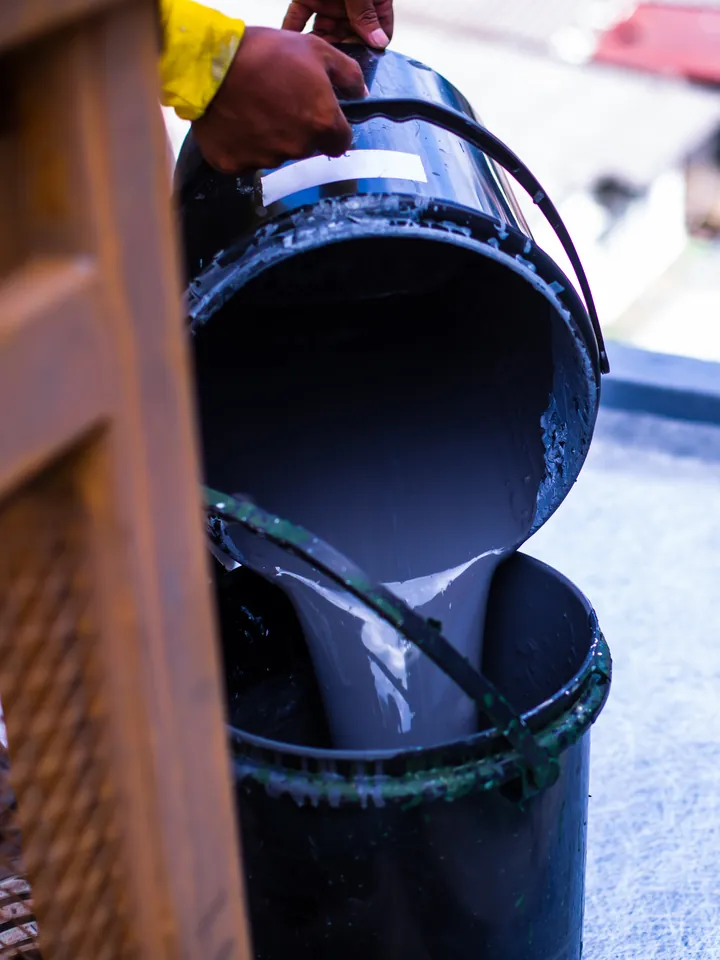
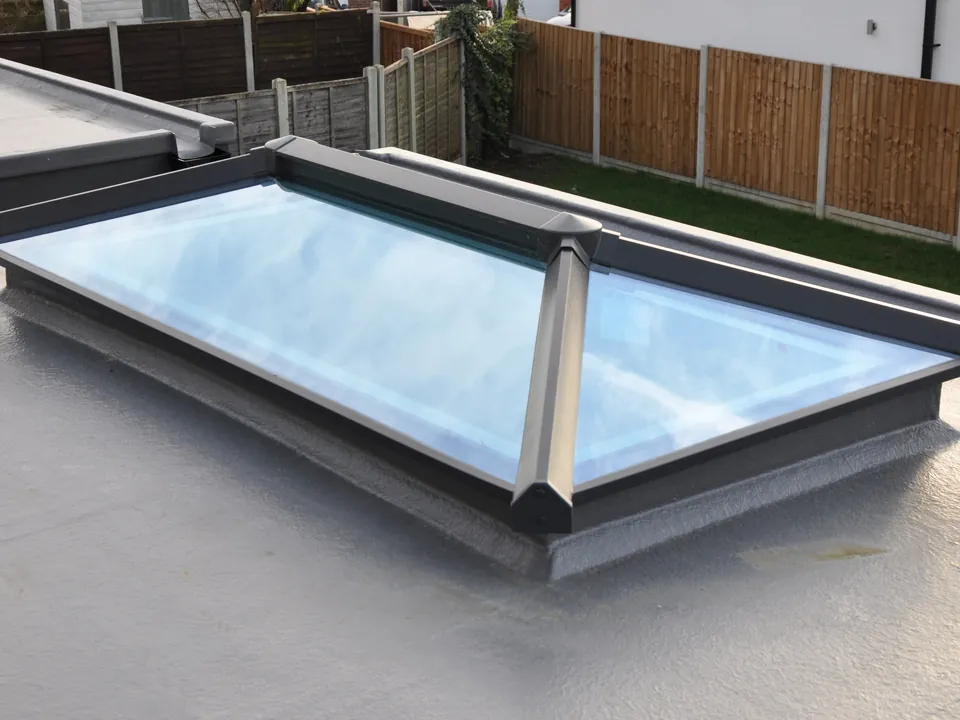
Our GRP Roofing Work
Your quote for a fibreglass roof sets out the deck, the laminate, the trims and the topcoat, so you can see how the finished roof is put together layer by layer.
- Cure It GRP laminate and topcoat
- New OSB3 decking prepared for laminating
- Preformed GRP edge trims and drip details
- Upstands and corners laminated in place
- Coloured topcoats to suit the property
- Roofs for dormers, extensions and balconies
- Crack and impact repairs to existing GRP
- Replacement of failed felt with GRP
Why Choose Us for Your GRP Roof
A fibreglass roof depends on the weather on the day and the care taken with the mix. You get qualified roofers who plan around both and guarantee the result.
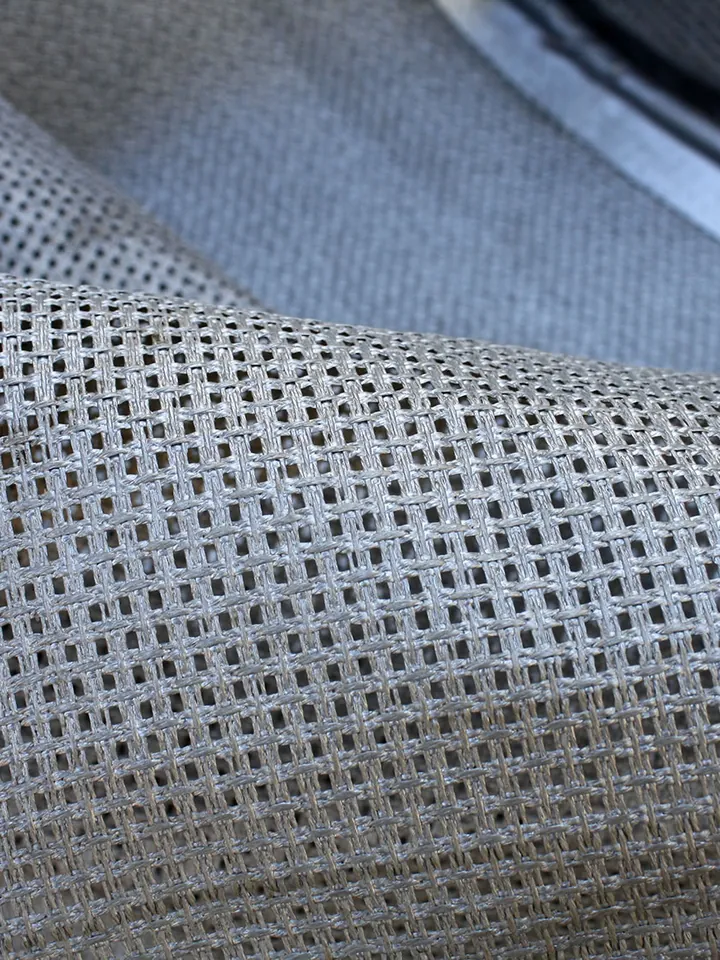
A Roof You Can Stand On
Once cured, GRP gives a firm, jointless surface that copes with foot traffic, which suits balconies and roofs you need to reach for maintenance.
Swipe to See More
Price Up a Fibreglass Roof
Ring now, or leave a few details and a quote will follow.
Compare Other Flat Roofs
Fibreglass is not right for every roof. See how felt and rubber compare on cost and upkeep.
Swipe to See More
Our GRP Roofing Stages
Each GRP roof moves through the same broad stages, with the laminating day chosen around a dry forecast.
 Free Surveys & Quotes
Inspect & Advise
We look at the deck, the edges and how the roof is used, then advise whether GRP suits it or another system would serve better.
Quote in Writing
You receive a detailed written quote for the boards, laminate, trims and topcoat, with no obligation to go ahead.
Laminate & Topcoat
On a dry day we fit the trims, laminate the matting with resin and, once it has cured, apply the coloured topcoat.
Final Inspection
We review the completed work with you and confirm everything has been done as agreed.
Swipe to See More
Frequently Asked Fibreglass Roofing Questions
Does the Weather Affect a Fibreglass Roof Being Laid?
Will a Fibreglass Roof Crack?
Can a Fibreglass Roof Be Coloured?
Is GRP Suitable for a Balcony or Roof Terrace?
Does Fibreglass Smell While It Is Being Laid?
Can You Repair an Existing GRP Roof?
Can't Find the Answer You're Looking For?
Get in touch with us today.